
One of the most common questions parents ask is: “When is the right age for my child to start learning music?”
The answer depends on both the child’s development and the instrument itself. Starting at the right time helps children build confidence, enjoy learning, and develop solid foundations—without pressure.
Below is a clear guide to recommended starting ages and the reasons behind them.
Early music education supports more than musical skills. Research and teaching experience consistently show that music learning helps children develop:
However, “early” does not mean “as early as possible.” A child must be physically, cognitively, and emotionally ready for the instrument they are learning.
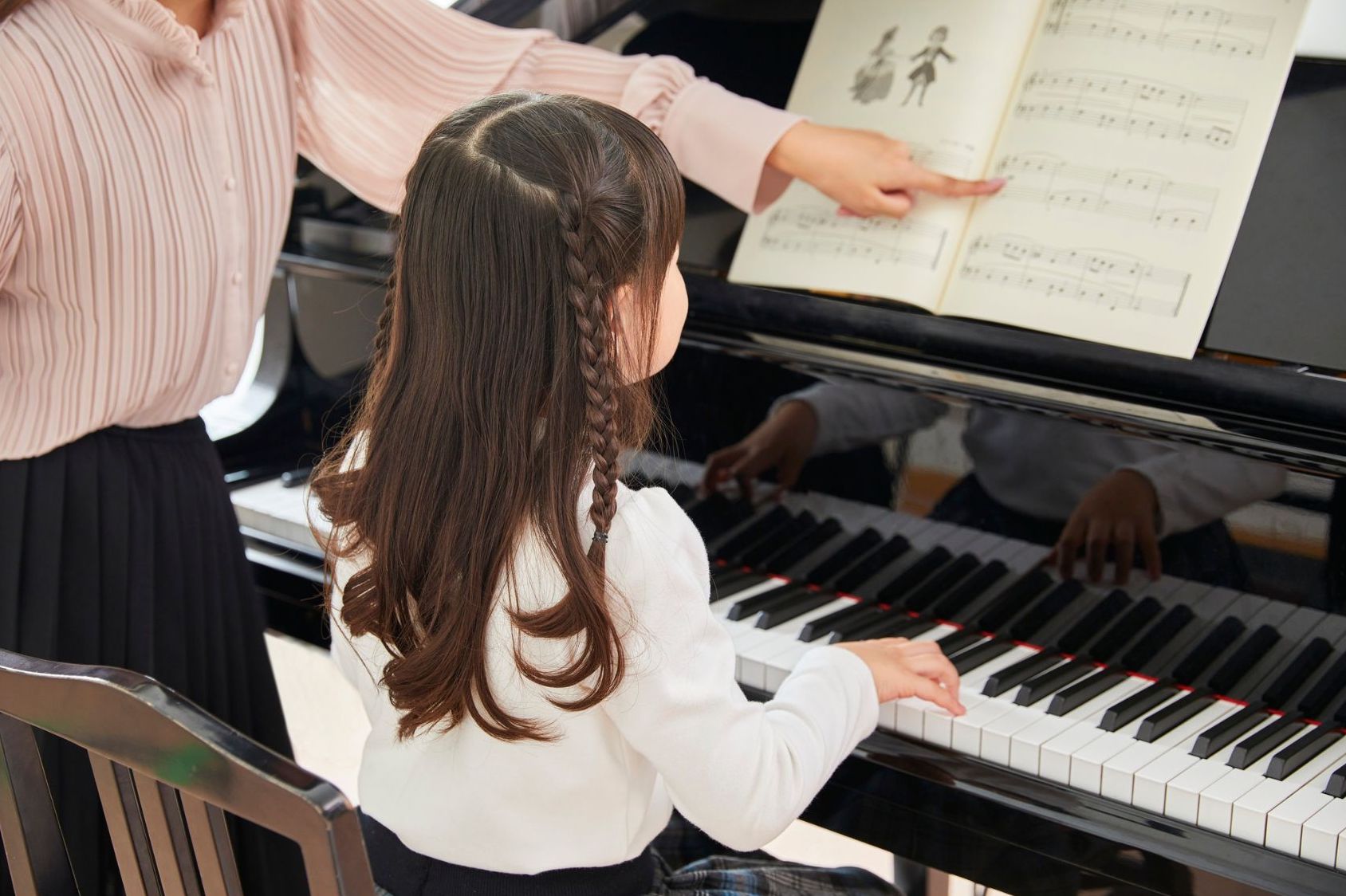
The piano is often the best first instrument for young children.
At around 3.5 years old, children typically have:
At this age, piano lessons focus on rhythm, listening, coordination, and musical enjoyment, not pressure or exams.
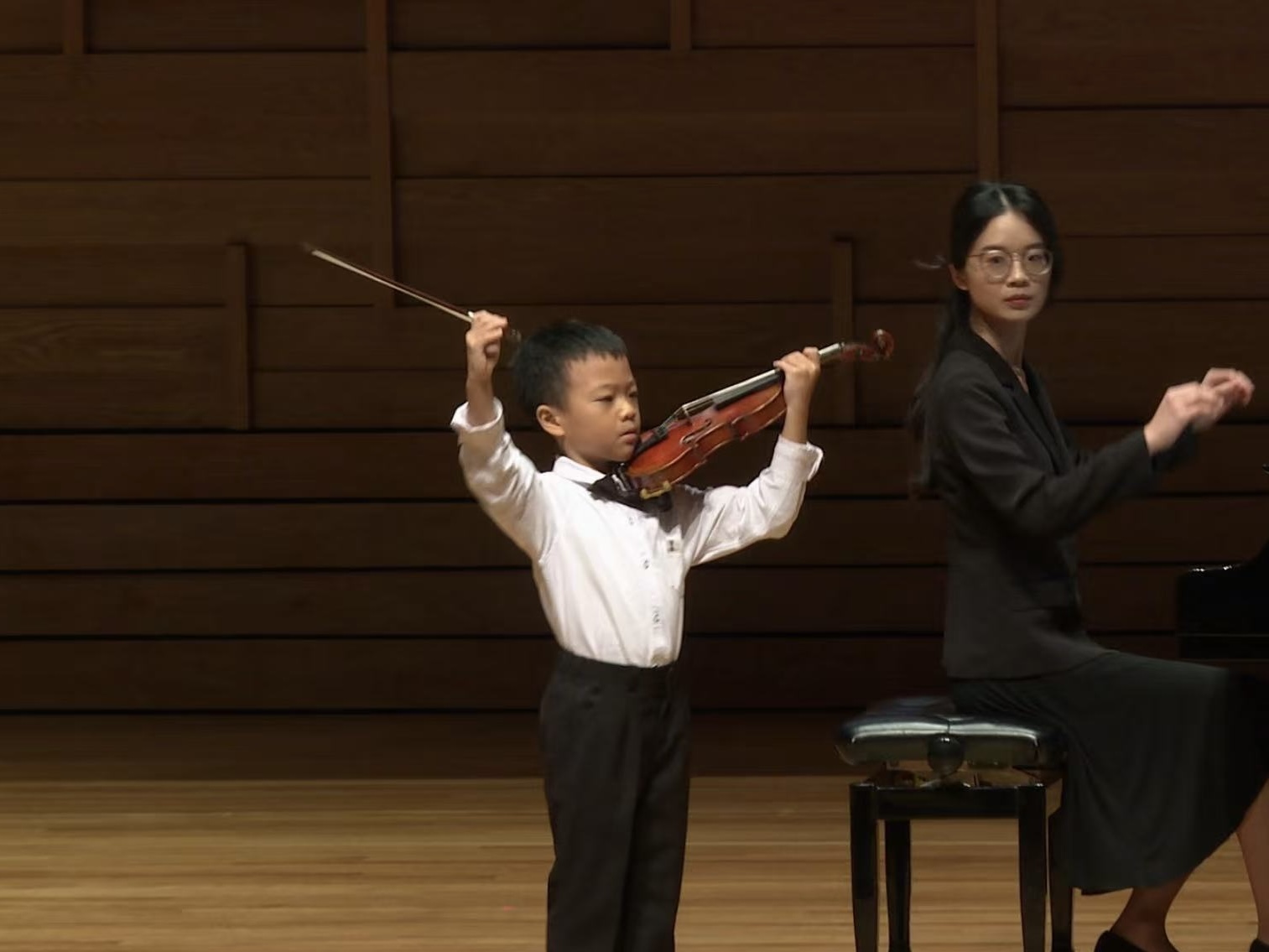
The violin requires more physical coordination and body awareness than piano.
Around 4 years old, many children can:
Starting violin at the right age helps prevent bad habits and builds a strong technical foundation from the beginning.

The cello is larger and requires greater physical strength and body stability.
By around 5 years old, most children have:
Starting cello too early can lead to tension or frustration, while starting at the right age ensures a positive and healthy learning experience.
While age guidelines are helpful, readiness matters more than age alone. Some children may start earlier or later depending on:
A proper assessment by experienced teachers ensures that each child begins at the right time and with the right expectations.
Starting music at the right age helps children:
At Melody Strings, we believe music education is about nurturing the whole child, not rushing progress. If you’re unsure which instrument or starting age is best for your child, our professional team will be happy to guide you with personalised advice and assessments 🎶